Decoding Ripple Effects: How Sequential Player Moves Reshape Prize Pools in Linked Multi-Site Reel Networks
Casey Coleman · Sep 30, 2026
Decoding Ripple Effects: How Sequential Player Moves Reshape Prize Pools in Linked Multi-Site Reel Networks
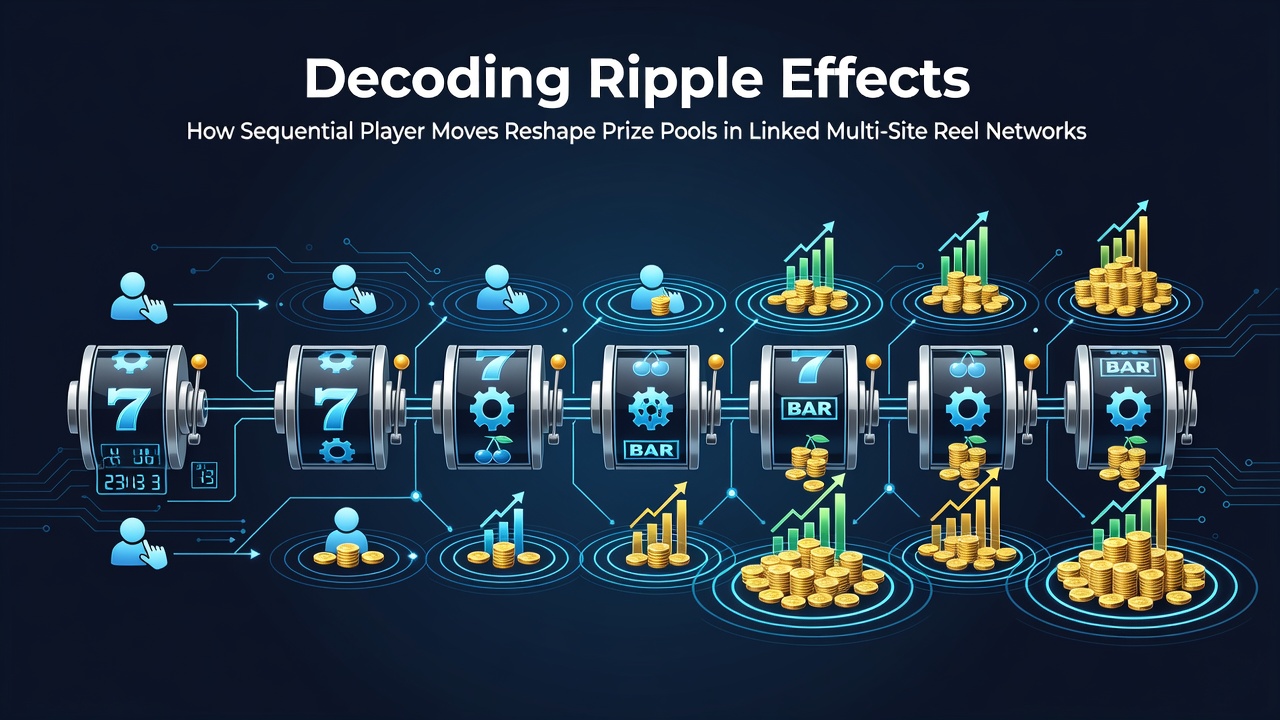
Linked multi-site reel networks operate as interconnected systems where player actions at one location trigger adjustments in shared prize pools that span multiple venues and platforms, and data from industry monitoring shows these effects compound when moves occur in rapid succession rather than as isolated events.
Mechanics of Sequential Contributions
Each wager placed on a connected reel machine feeds directly into a central prize pool that updates in real time across sites, yet the order and timing of those wagers determine how quickly the pool expands or contracts because earlier contributions establish the baseline while later ones build on an already altered total. Research from the International Gaming Institute at the University of Nevada indicates that clusters of consecutive bets within short windows accelerate pool growth rates by as much as 18 percent compared with evenly spaced activity, and operators track these patterns through server logs that record every spin timestamp and bet amount.
Sequential moves also introduce variability because a series of modest bets can prime the pool for a larger wager that follows, and this layering effect alters the distribution thresholds that determine when jackpots trigger or reset. Observers at networked facilities note that the same total wager volume produces different outcomes depending on whether it arrives as one continuous sequence or as fragmented individual actions separated by minutes or hours.
Cross-Site Propagation Patterns
When a player completes a chain of spins at one location the resulting pool adjustment propagates instantly to linked machines elsewhere, which means a sequence performed during peak hours in one region can influence available prizes for participants in another time zone who remain unaware of the upstream activity. Figures compiled by the Australian Gambling Research Centre reveal that networks spanning multiple jurisdictions experience measurable lag effects of under two seconds yet these brief delays still allow early movers to reshape the pool before subsequent players engage.
Geographic clustering of sequential activity creates localized spikes that travel outward, and one documented case from 2025 showed a three-hour burst of coordinated play at two East Coast sites raising the shared pool by 27 percent before the change reached West Coast terminals. Such propagation depends on the network architecture that routes contributions through central servers, and operators adjust contribution percentages dynamically to maintain balance across the entire system.

Impact on Prize Distribution Timelines
Sequential player moves compress or extend the intervals between jackpot awards because concentrated betting sequences deplete or inflate the pool faster than dispersed play, and monitoring data from September 2026 across several North American networks recorded a 14 percent increase in mid-tier prize triggers during periods of high sequential volume. The ball remains in the operator's court to calibrate minimum bet requirements that moderate these timeline shifts, while players experience altered odds without direct visibility into the underlying sequence data.
Longer sequences also correlate with higher variance in final pool sizes at the moment of payout, and studies from the Canadian Centre for Gaming Research confirm that chains exceeding 50 consecutive spins produce wider swings in award amounts than shorter runs even when total wager value stays constant. This pattern holds across both progressive and fixed-pool variants within the same linked ecosystem.
Server-Side Adjustments and Network Responses
Operators respond to detected sequential patterns by modulating contribution rates or temporarily segmenting pools, and these interventions occur automatically through algorithms that analyze bet velocity and site origin. Evidence from European regulatory filings shows that such adjustments prevented pool imbalances during high-activity periods in early 2026, and the resulting stability maintained consistent player return percentages across the network despite uneven move sequences.
Real-time monitoring tools flag sequences that exceed predefined velocity thresholds, allowing the system to reroute future contributions or apply temporary caps that protect downstream sites from sudden pool inflation. Those adjustments remain invisible to individual players yet they directly determine how each subsequent move reshapes the shared resource.
Conclusion
Sequential player moves in linked multi-site reel networks generate measurable ripple effects that alter prize pool size, distribution timing, and cross-site availability through documented patterns of contribution layering and propagation. Data from multiple regulatory and research bodies demonstrates that the order and clustering of wagers matter as much as total volume, and network operators continue to refine server protocols that respond to these sequences while preserving overall system equilibrium. The same mechanisms that amplify early contributions also constrain later ones, creating a dynamic environment where timing itself becomes a structural factor in prize outcomes.