Mapping the Pathways of Tiered Incentives in Synchronized Gaming Platforms and Their Effect on Reel Engagement Rates
Greta Simon · Oct 28, 2026
Mapping the Pathways of Tiered Incentives in Synchronized Gaming Platforms and Their Effect on Reel Engagement Rates
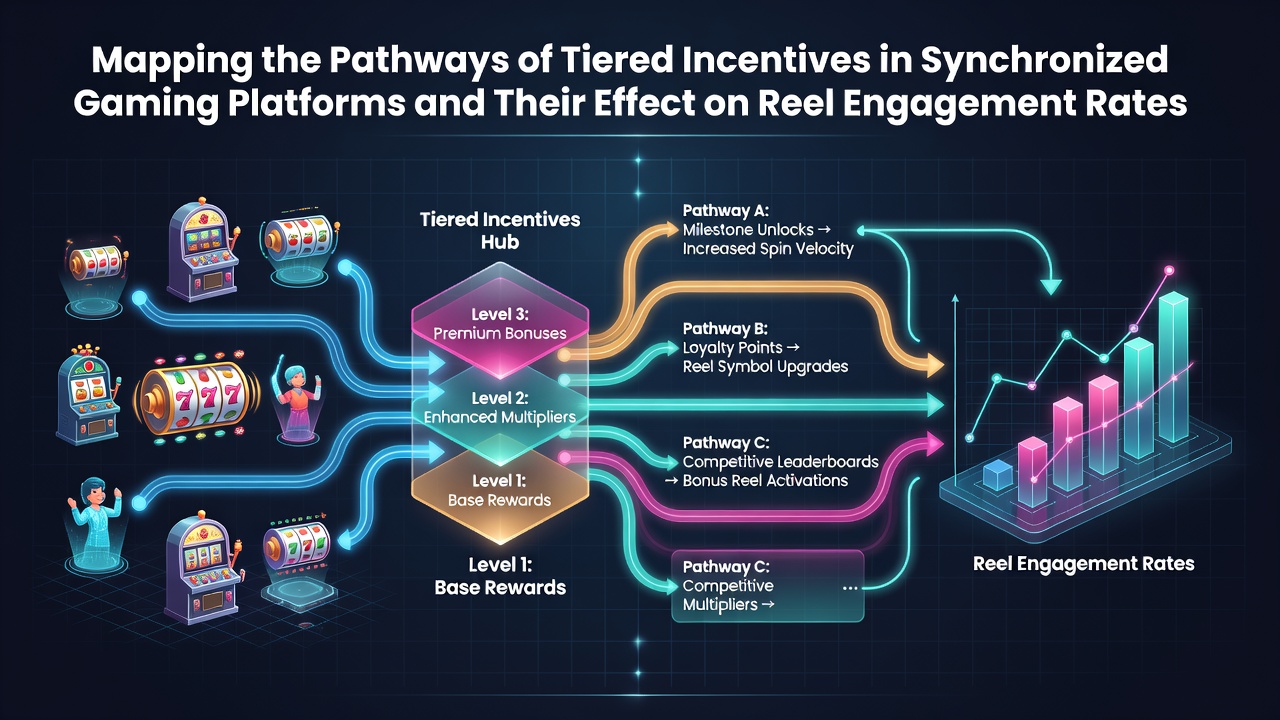
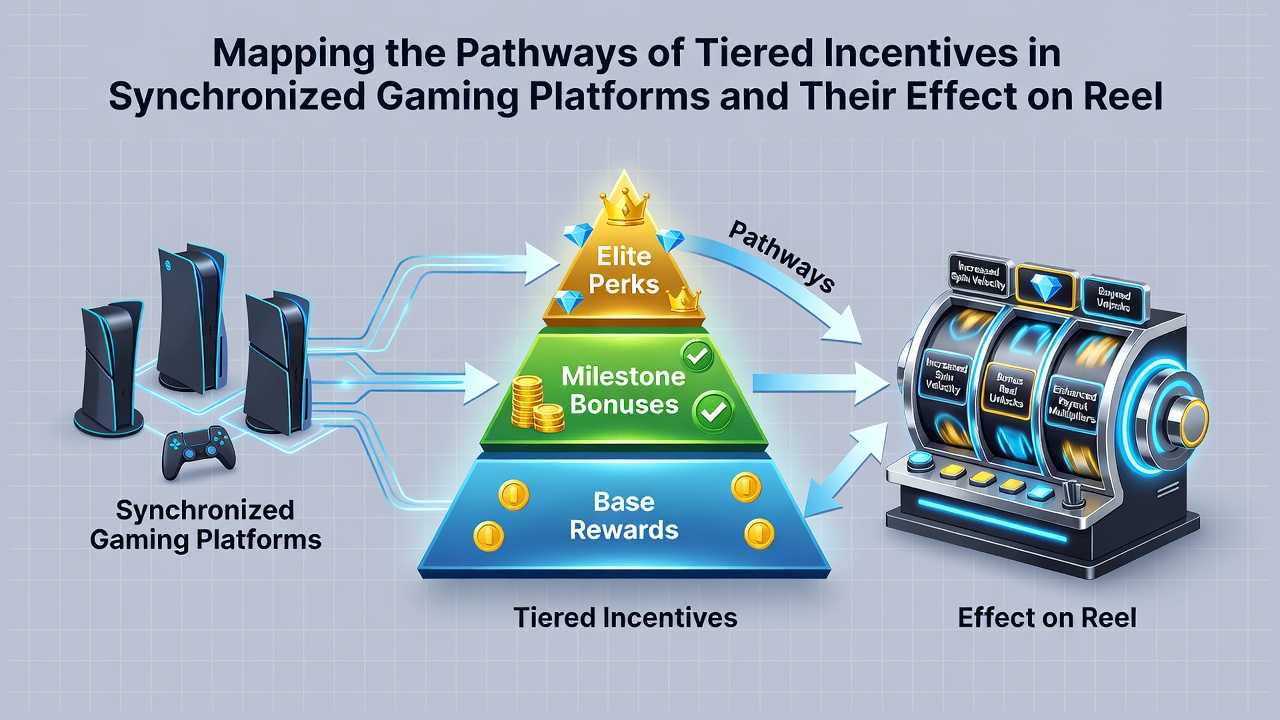
Synchronized gaming platforms coordinate player data across multiple servers and devices so that tiered incentives activate in sequence based on cumulative activity, and these systems track reel spins, session lengths, and reward redemptions in real time. Operators structure incentives into levels that unlock additional free spins, bonus multipliers, or cashback percentages once players reach defined thresholds, while synchronization ensures that progress carries over regardless of device or location.Core Components of Tiered Incentive Pathways
Basic tiers typically grant entry-level rewards after a set number of spins or deposit amounts, yet higher tiers introduce escalating benefits that require sustained play across linked games. Data from platform analytics shows that players advance through these tiers when reward triggers align with reel mechanics such as expanding wilds or scatter symbols, and synchronization protocols update progress instantly so that a session started on a mobile device continues seamlessly on a desktop terminal.
Operators map these pathways by logging every spin outcome and reward claim into centralized databases, which allows them to correlate specific incentive levels with changes in reel engagement rates measured as spins per minute and average session duration. Research from the University of Nevada, Las Vegas International Gaming Institute indicates that synchronized systems reduce drop-off between tiers because players see immediate confirmation of progress, and this visibility correlates with longer reel interaction periods.
Synchronization Mechanisms and Data Flow
Backend systems rely on application programming interfaces that push tier status updates across regional servers within milliseconds, while front-end interfaces display current tier progress and upcoming rewards directly on the reel screen. In October 2026 operators reported increased adoption of these synchronized frameworks after regulatory updates in multiple jurisdictions emphasized transparent reward tracking, and figures from the Nevada Gaming Control Board detail how linked platforms maintained consistent engagement metrics despite varying state rules on bonus structures.
Engineers design these pathways so that incentive triggers remain consistent whether players access games through web browsers, dedicated apps, or in-venue terminals, and the synchronization layer prevents duplicate rewards while preserving tier advancement history. Observers note that this unified data environment allows operators to adjust tier thresholds dynamically based on aggregate reel engagement patterns without disrupting individual player experiences.
Measured Effects on Reel Engagement Rates
Platform telemetry reveals that movement from entry-level to mid-tier incentives often produces a measurable uptick in spins per session, while the transition to top tiers tends to stabilize engagement at higher volumes rather than producing further sharp increases. Analysts track these shifts by comparing baseline reel activity before tier advancement against post-advancement performance, and synchronization ensures that historical data informs the timing of reward offers to maintain momentum.
Studies conducted across networked progressive systems show that players who receive tiered free spins during high-volatility reel sequences maintain longer active periods than those receiving flat bonuses, and the effect strengthens when the synchronized platform notifies users of remaining spins needed for the next level. Geographic data collected in North American and Asia-Pacific markets during 2026 demonstrates similar patterns, with synchronized tier systems producing steadier engagement curves than isolated reward programs.
Integration with Broader Platform Ecosystems
Tiered incentives connect to loyalty databases and payment processors so that cashback percentages and deposit matches scale automatically once players cross defined thresholds, and this integration reduces manual intervention while preserving audit trails for regulatory compliance. Operators in multiple regions use these connections to route rewards through the same synchronized channels that manage reel outcomes, creating a closed loop where engagement data directly influences future incentive offers.
Reports compiled by the Canadian Gaming Association highlight how synchronized platforms adjusted tier pathways in response to seasonal player volume changes, and the resulting models kept reel engagement rates within predictable ranges even as total user counts fluctuated. The pathways therefore function as both reward mechanisms and operational controls that operators refine through continuous data review.
Conclusion
Mapping tiered incentive pathways within synchronized gaming platforms provides operators with detailed visibility into how reward structures influence reel engagement rates across devices and sessions. Data collected through these systems supports ongoing adjustments that align incentive timing with observed player behavior, while maintaining consistency across jurisdictions. Continued refinement of synchronization protocols and tier thresholds remains central to how platforms manage engagement metrics in 2026 and beyond.