Synchronizing Wager Sequences with Pooled Reward Escalations Across Multi-Site Reel Networks
Riley Brooks · Sep 2, 2026
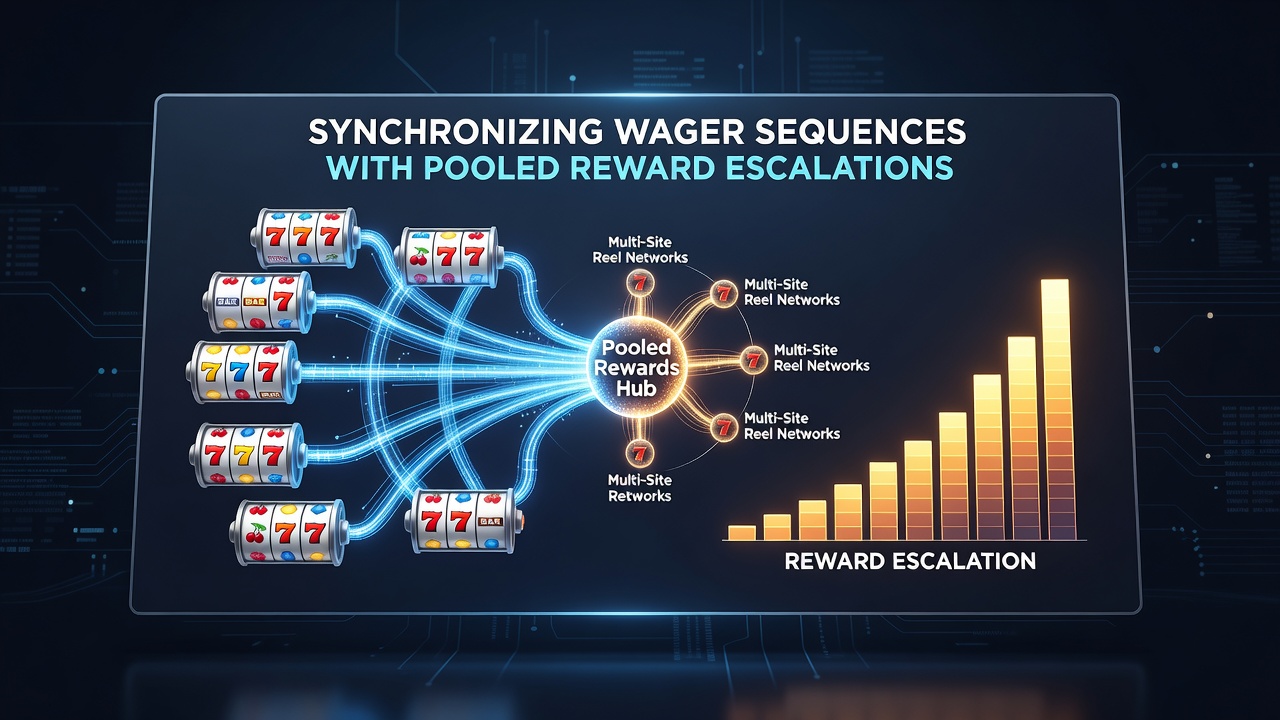
Synchronizing Wager Sequences with Pooled Reward Escalations Across Multi-Site Reel Networks
Multi-site reel networks operate through interconnected servers that link slot machines across separate casino properties, and these systems track individual wagers in real time to feed into shared progressive pools. Operators coordinate the timing of bet placements so that sequences align with escalations in pooled rewards, which allows the accumulated jackpots to grow in predictable increments based on aggregated play volume.
Network Architecture and Data Flow
Centralized control hubs collect wager data from terminals at each location, then apply algorithms that adjust prize tiers according to contribution rates from every participating site. Data shows that when sequences of bets occur within narrow time windows, the pooled amounts escalate faster because each wager adds directly to the meter without lag from independent processing cycles. Researchers at gaming technology firms have documented how packet synchronization protocols reduce discrepancies between sites, which keeps the reward escalations uniform even when player activity spikes in one region while remaining steady in another.
Timing Mechanisms in Wager Coordination
Sequence synchronization relies on timestamped bet logs that servers cross-reference every few milliseconds, and this process determines whether a particular wager qualifies for the next tier of pooled rewards. Operators in September 2026 reported adjustments to these timing parameters after observing variations in cross-site latency during peak evening hours, which prompted refinements in the escalation formulas to maintain consistency. Studies from industry reports indicate that shorter intervals between coordinated wagers produce steeper increases in the jackpot meters, whereas staggered placements across sites can dilute the rate of growth until the system recalibrates.
One example comes from linked progressive installations where a cluster of machines in adjacent states feeds a single pool, and analysts track how bet cadence influences the distribution of intermediate prizes before the top tier triggers. According to figures released by the Nevada Gaming Control Board, multi-site networks accounted for measurable portions of total slot revenue during recent quarters, with synchronized sequences contributing to higher average pool sizes compared to isolated installations.
Escalation Rules and Reward Distribution
Pooled reward escalations follow predefined contribution percentages that scale with wager size, and the rules require exact matching of sequence patterns to activate higher payout brackets. Systems monitor cumulative contributions from each site separately before merging them into the shared meter, which prevents one location from dominating the escalation process. Observers note that this separation maintains fairness across the network while still allowing the overall pool to accelerate when multiple sites report simultaneous activity spikes.

Canadian provincial regulators have examined similar setups in their jurisdictions and found that synchronization software updates improved the accuracy of reward distribution by reducing timing errors between venues. These updates incorporated additional checkpoints that verify wager sequences against pool thresholds before releasing any escalated amounts, which adds a layer of verification to the process.
Integration with Broader Gaming Infrastructure
Multi-site networks often connect to larger casino management platforms that handle player tracking and promotional bonuses alongside the progressive systems. Integration points allow operators to align wager sequences with scheduled reward escalations tied to marketing events or seasonal traffic patterns, and data from these combined systems reveals correlations between coordinated betting windows and pool growth rates. Academic papers on gaming mathematics have explored models that predict escalation curves based on historical sequence data, providing operators with tools to forecast when pools reach trigger points.
European gaming associations have published guidelines that encourage standardized data formats for cross-border or multi-property networks, which helps maintain synchronization even when regulatory requirements differ by region. These standards focus on timestamp precision and contribution logging to ensure that pooled rewards escalate without artificial delays introduced by mismatched reporting cycles.
Conclusion
Synchronizing wager sequences with pooled reward escalations forms a core operational feature of modern multi-site reel networks, where timing precision directly affects how quickly and evenly jackpots accumulate across locations. Continued refinements in server protocols and regulatory oversight support the stability of these systems as they expand to additional properties in 2026 and beyond.